
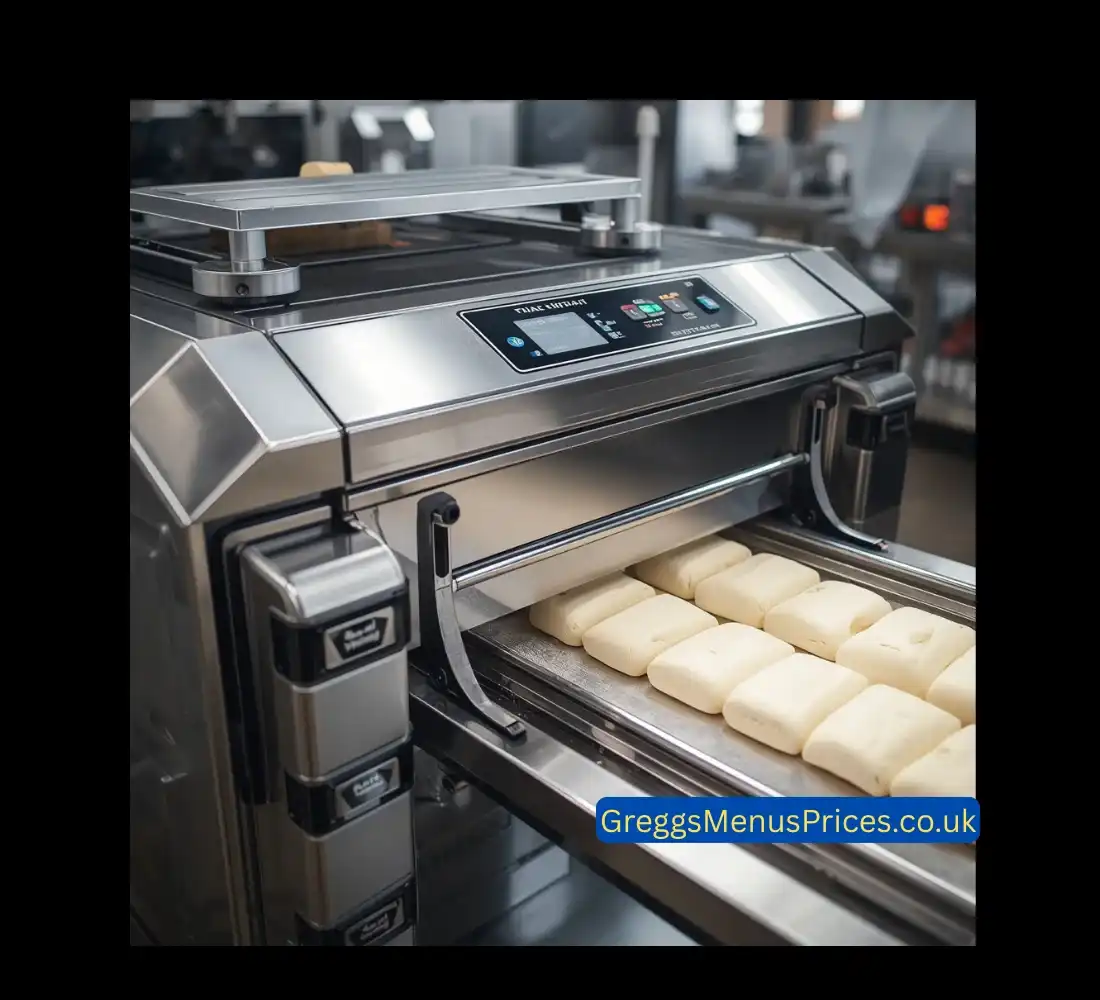
How to Choose the Commercial Retarder Prover?

Commercial Retarder Prover:
The Complete UK Guide
Everything you need to know — how they work, the best brands, what Greggs uses, and how to pick the right one for your bakery.
If you’ve ever wondered how professional bakeries manage to have perfectly proved, oven-ready dough waiting for them at the crack of dawn without anyone having to roll in at 3am — the commercial retarder prover is your answer. It’s honestly one of the most game-changing pieces of kit a bakery can invest in, and in 2026 the technology has never been smarter or more energy-efficient.
Whether you’re running a busy artisan bakery in Edinburgh, managing a supermarket in-store bakery in Bristol, or you’re simply curious about how giants like Greggs keep their famous sausage rolls baking fresh across 2,700+ outlets nationwide — this guide has got you covered.
A commercial retarder prover is a dual-function bakery cabinet that first chills (retards) dough to slow fermentation, then automatically switches to a warm, humid proofing environment at a preset time — so your dough is ready to bake exactly when you need it.
How Does a Retarder Prover Actually Work?
At its core, a retarder prover does two things in one cabinet: it slows down yeast activity when you don’t want dough rising, and then kick-starts it again with warmth and humidity at exactly the right time. Here’s the typical overnight cycle most bakers use:
The beauty of it is that you programme the whole cycle in advance. Load the trays the night before, set the timer, lock up and go home. When you arrive in the morning, perfectly proved dough is waiting — no fuss, no guesswork.
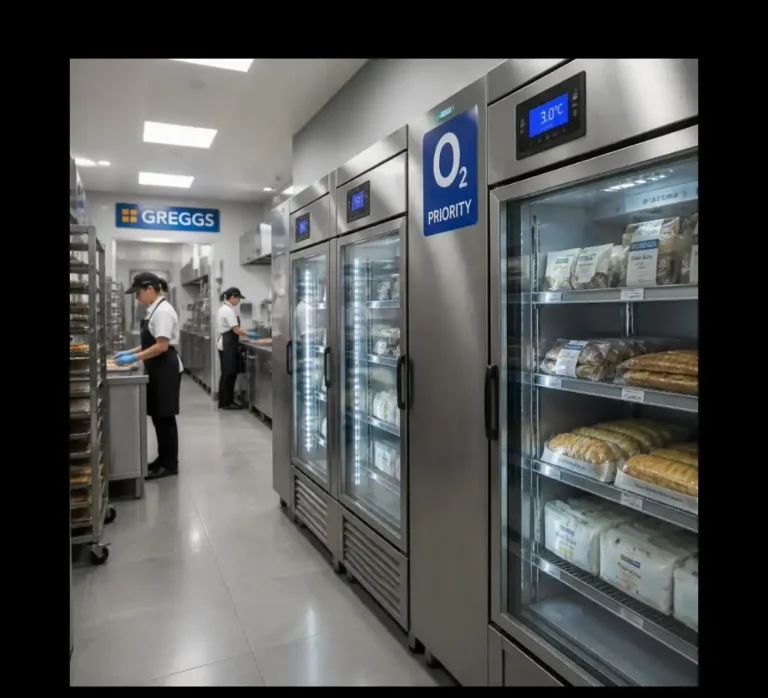
Check out the Commercial Refrigerators used at Greggs
Why Every Serious Bakery Needs One
No More 3am Starts
Programme the retarder prover overnight and walk in to oven-ready dough. Staff wellbeing improves, and so does retention.
Consistent Results
Controlled temperature and humidity means every batch rises the same way — no more loaves varying due to weather or room temperature.
Better Flavour
Slower, cold fermentation develops complex flavours you simply can’t achieve with a rushed room-temperature prove.
Reduce Yeast Costs
Long slow fermentation means you can use up to 50% less yeast without compromising the rise or texture of your bake.
Two Machines in One
A single unit replaces a separate retarder and a separate prover, freeing up valuable floor space in your kitchen or production area.
Less Waste
Predictable fermentation means less over- or under-proved dough going in the bin. Especially important with today’s ingredient prices.
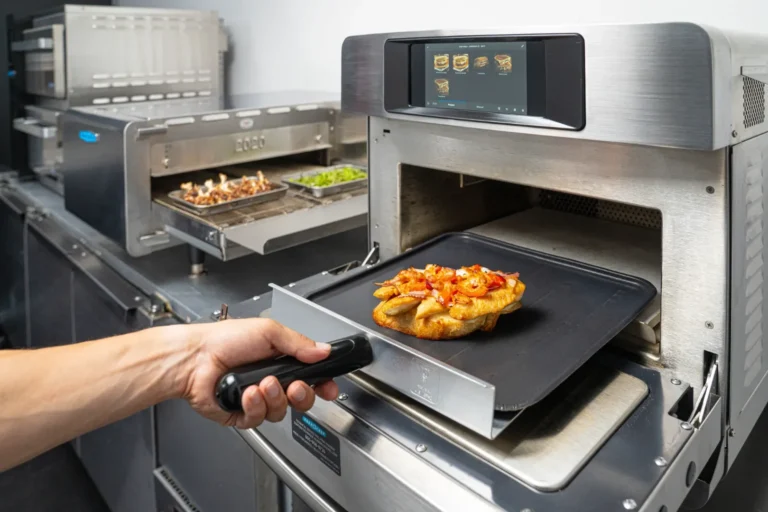
Check out the Bake-Off Ovens used in Greggs’ Kitchen
Types of Commercial Retarder Prover
Not all retarder provers are built the same. The right choice depends entirely on your bakery’s size, throughput, and available floor space. Here’s a quick breakdown of the main types available in the UK market in 2026:
| Type | Best For | Capacity | Footprint | Touch Screen | Approx. UK Price |
|---|---|---|---|---|---|
| Reach-In (Single) | Small bakeries, cafés | 12–18 trays | Compact | Optional | £2,500–£5,500 |
| Reach-In (Double) | Mid-size bakeries | 20–36 trays | Medium | Optional | £4,500–£9,000 |
| Roll-In (Single Rack) | Busy in-store bakeries | Up to 1 rack | Medium–Large | Standard | £7,000–£14,000 |
| Roll-In (Double Rack) | Wholesale bakeries | Up to 2 racks | Large | Standard | £13,000–£22,000 |
| Pass-Through | High-volume production | Multiple racks | Large | Standard | £18,000–£40,000+ |
| Walk-In / Industrial | Central bakeries & factories | Custom | Very Large | Standard | £30,000–£100,000+ |
*Prices are approximate 2026 UK market estimates and will vary by supplier, specification, and installation requirements.
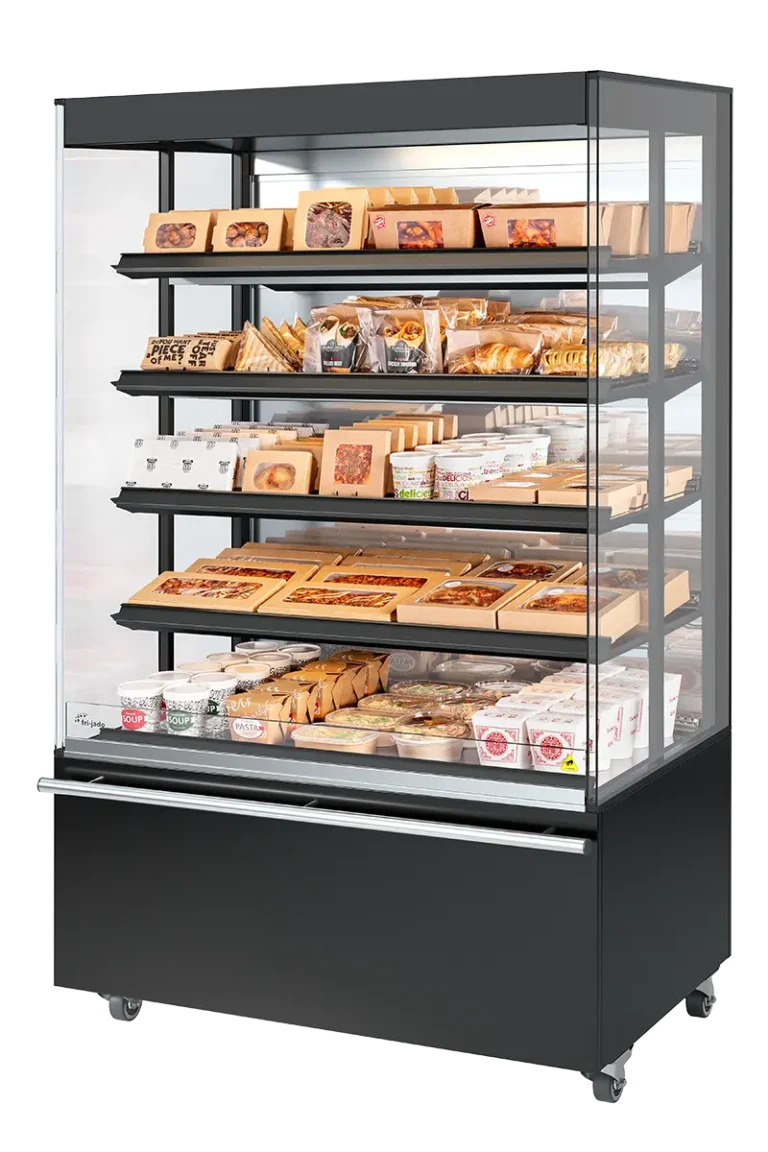
Check out the Heated Display Cabinets used at Greggs
Top Commercial Retarder Prover Brands in the UK (2026)
The UK market is well-served by a handful of excellent manufacturers. Here’s how the most popular ones compare on the features that matter most:
| Brand / Model | Origin | Humidity Control | Min Temp | Programmable Cycles | Energy Rating |
|---|---|---|---|---|---|
| Bongard HERA | 🇫🇷 France | Active | -5 °C | Multi-cycle | A+ |
| Sveba-Dahlen F500 | 🇸🇪 Sweden | Active | -8 °C | Multi-cycle | A+ |
| KOMA CDS | 🇳🇱 Netherlands | Active Evap. | -5 °C | Multi-cycle | A |
| Baxter RP Series | 🇺🇸 USA | Spray nozzle | -2 °C | 7-day timer | B+ |
| LBC Bakery LRPR | 🇺🇸 USA | Spray nozzle | -1 °C | 24-hr timer | B |
| SALVA FC Range | 🇪🇸 Spain | Active | -4 °C | Multi-cycle | A |
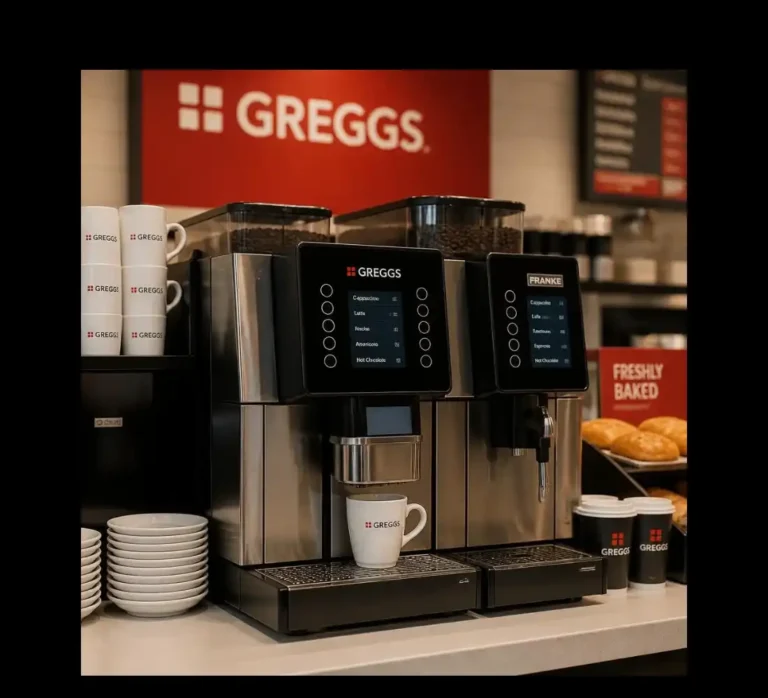
Check out the Coffee Machines used at Greggs
🥐 Greggs Retarder Prover Bakery UK
Greggs is the UK’s biggest bakery chain and a national institution. With 2,759 outlets as of 2026 and revenue topping £2.15 billion in 2025, understanding how they manage freshness at scale tells us a lot about commercial retarder prover technology in the real world.
How Greggs Uses Retarder Prover Technology
Back in 2014, Greggs made the strategic decision to close all in-store bakeries and transition to a centralised production model. Today, their nine central bakeries produce the dough and part-baked items that are then distributed — chilled or frozen — to every shop across the country.
At their central bakeries, industrial-scale retarder provers and walk-in controlled fermentation chambers are at the heart of production. These manage long, slow fermentation cycles overnight to ensure consistent quality across millions of products each week. At shop level, savouries are then baked fresh in-store ovens throughout the day, with chilled or frozen proved dough loaded directly into the ovens each morning.
In their larger bakery production facilities, Greggs would typically deploy pass-through or walk-in retarder prover systems from industrial suppliers — where entire trolleys of dough trays are loaded in and move through temperature-controlled zones on a production schedule.
The Derby Expansion (Late 2026)
In June 2024, Greggs announced a major new frozen production facility in Spondon, Derby, which is expected to be fully operational in late 2026. This 311,551 sq ft site will create up to 600 jobs and significantly expand Greggs’ manufacturing capacity for both sweet and savoury products. It will feature multiple manufacturing platforms — meaning large-scale industrial retarder prover infrastructure will form a central part of the new site’s operations.
Also, Check out the Mixers & Dough Plants used at Greggs
How to Choose the Right Retarder Prover for Your Bakery
Picking the right commercial retarder prover comes down to five key questions. Work through these before you speak to any supplier:
One often-overlooked feature is active humidity control. Cheaper units use a simple spray nozzle, which can leave uneven moisture distribution and cause a skin to form on your dough. The best units (Bongard, Sveba-Dahlen, KOMA) use active evaporation systems that maintain a precise, consistent humidity level throughout the cabinet — well worth the extra investment for artisan baking.
2026 Trends in Retarder Prover Technology
The commercial retarder prover market has moved on significantly in the last couple of years. Here’s what’s new and noteworthy heading into the second half of 2026:
Smart connectivity — Leading models now offer Wi-Fi or app-based monitoring, so you can check cabinet status remotely. Energy recovery systems on premium models capture heat generated during cooling and redirect it into the proofing cycle, cutting energy bills by up to 30%. Door-sensor overproof prevention — if staff are running late, the cabinet automatically drops back into retard mode rather than letting dough overproof. Finally, recipe memory allows bakers to save dozens of product-specific fermentation programmes with a single button press.
Frequently Asked Questions
The Bottom Line
A commercial retarder prover isn’t just a piece of bakery kit — it’s a fundamental change to how you run your production. It gives you control, consistency, better flavour, and a proper night’s sleep. Whether you’re a small artisan bakery just getting started, or a large wholesale operation looking to scale up, there’s a model out there that fits your needs and your budget.
As Greggs’ own expansion story shows, the bakeries that invest in the right fermentation technology are the ones best-positioned to grow. Now, over to you — what are you baking next?
A commercial retarder prover combines refrigeration and proofing in one programmable unit. Top UK brands in 2026 include Bongard, Sveba-Dahlen, KOMA, and SALVA. Greggs relies on centralised production bakeries where this technology operates at industrial scale. Choose based on capacity, footprint, humidity system, minimum temperature, and energy rating.



2 Comments