Commercial Panini & Contact Grills in the UK

Everything you genuinely need to know before buying — from plate materials and wattage to top brands, HACCP compliance, and what to look for in a busy commercial kitchen.
What Exactly Is a Commercial Panini / Contact Grill?
A commercial panini grill — also called a contact grill, clam grill, or panini press — is a powerful countertop appliance that uses two heated plates to cook food simultaneously from both sides. Think of it like a giant, professional-grade sandwich iron. It presses down on your food, seals in all the juices, and delivers beautifully golden, grill-marked results in a fraction of the time it takes a conventional oven.
The terms “commercial contact grill” and “commercial panini press” are used interchangeably in the UK catering industry because they refer to exactly the same type of appliance. Whether your supplier calls it a panini grill, a clam griddle, or a contact grill, you’re looking at the same beast.
These machines are absolute workhorses. I’ve seen them in cafés, delis, hotel kitchens, university canteens, motorway service stations, food trucks, and trendy street food stalls. Their popularity has exploded over the past decade because they’re fast, versatile, and surprisingly easy to use — no specialist chef training required.
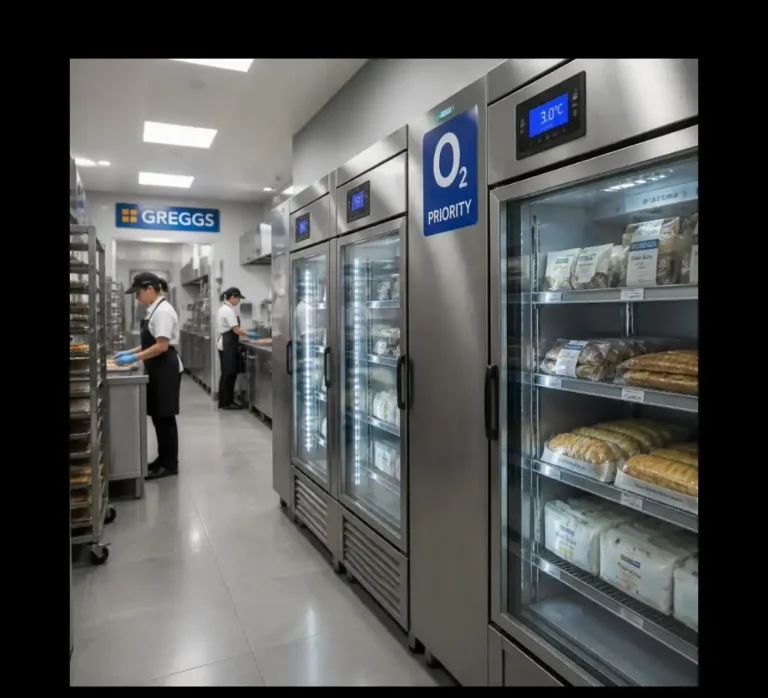
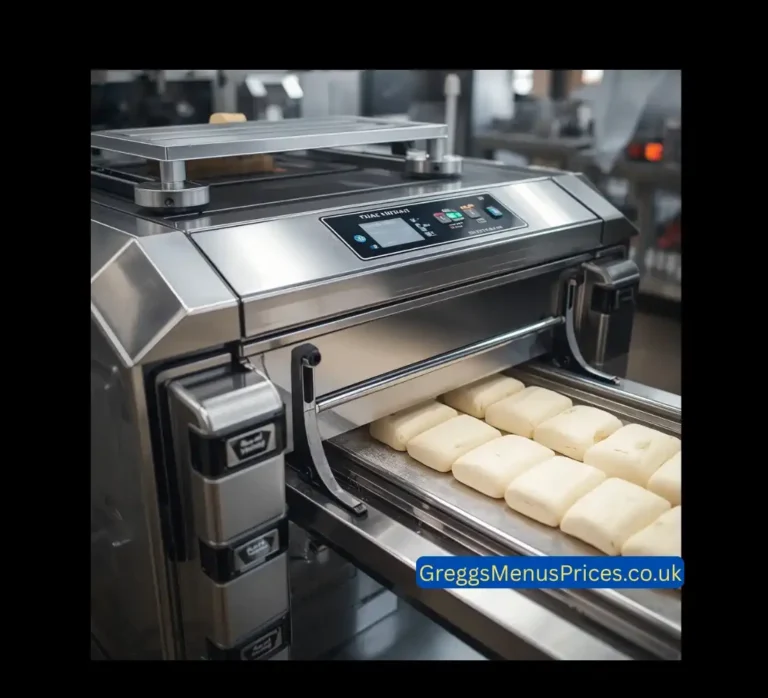
It’s worth knowing that not every chain sticks with the classic clam-grill format. Greggs is a good example: rather than relying on mechanical grill plates that press down on the bread, its stores now run compact rapid-cook ovens supplied by TurboChef — models including the SOTA, Tornado, and Eco ST — which combine microwave energy with high-velocity hot air to toast baguettes and melt cheese in a fraction of the time a standard oven would take. It’s a different route to a similar result, and a reminder that “hot sandwich” equipment covers more than just contact grills. If you’re curious about that side of things, our guide to the bake-off ovens used in Greggs’ kitchens goes into the detail. For most independent cafés and delis, though, a contact grill remains the simpler, lower-cost way to get the same golden, pressed result.
“The best commercial panini grills deliver consistent results while standing up to punishing daily use. It’s all about heat recovery — how quickly the unit returns to temperature between batches during busy periods.”
— Mark, Equipment Specialist, Easy Equipment UKHow Does a Commercial Panini Grill Actually Work?
It’s brilliantly simple, really. Two cast iron (or ceramic, or aluminium) plates — one above, one below — are heated by powerful elements that typically run between 1.5 kW and 4.5 kW. When you lower the top plate onto your food, heat conducts directly into both surfaces at once. The pressure also squeezes out air pockets, meaning you get that gorgeous, even browning rather than a patchwork result.
A floating hinge on the upper plate automatically adjusts to the thickness of whatever you’re cooking — a slim panini, a chunky burger, or even a chicken breast — so nothing gets crushed flat. Most commercial models let you dial in temperatures from 50°C up to 300°C, giving you full control whether you’re gently warming a croissant or searing a sirloin.
Pre-heat the Grill
Switch on and set to your required temperature. Most commercial models reach cooking temp in 3–7 minutes.
Place Your Food
Lay the sandwich, burger, or protein on the lower plate. No oil needed on cast iron — just a well-seasoned plate.
Lower the Lid
The floating hinge adjusts automatically. Both plates now cook the food simultaneously — top and bottom at once.
Set the Timer
Most paninis take 2–4 minutes. The built-in timer (on most commercial models) alerts you when it’s done.
Serve & Repeat
The grill recovers temperature almost immediately — ready for the next round within seconds on quality models.
One thing I’d highlight from experience: heat recovery time is everything during a lunchtime rush. A budget grill might take 2–3 minutes to recover between each sandwich. A quality commercial unit? It barely blinks. Investing in a higher-spec machine pays for itself quickly when you’re churning out 60+ paninis an hour.
Types & Configurations: Which One Do You Need?
This is where a lot of buyers get tripped up. There are a few key decisions to make before you part with your money, and getting them right from the start will save you a lot of headaches.
Single Contact Grill
One cooking zone, one lid. Great for low-to-medium volume operations — a café serving up to 40 covers at lunchtime, for example. Compact and cost-effective.
Best for: Cafés & DelisDouble Contact Grill
Two independent cooking zones side by side. Cook different foods at different temperatures simultaneously. One side grilling, one side warming? No problem.
Best for: High-volume kitchensRibbed / Grooved Plates
Produce those classic sear marks that make customers do a double-take. Ideal for paninis, steaks, and chicken. The ridges also allow fat to drain away from the food.
Best for: Grill marks & aestheticsSmooth / Flat Plates
Even surface contact — perfect for eggs, omelettes, bacon, fish, and delicate items. Some operators run one smooth and one ribbed plate for maximum flexibility.
Best for: Eggs & delicate itemsVitroceramic (VC) / Ceramic Models
Uses infrared ceramic elements for smoke-free, energy-efficient cooking. Ideal for front-of-house use where smoke and smells would be unwelcome. Easy to clean too.
Best for: Front-of-house & kiosksCombination (Ribbed Top / Flat Bottom)
The most versatile option of the lot. Ribbed upper plate gives you grill marks; flat lower plate ensures even cooking and easy cleaning. A smart all-rounder choice.
Best for: Varied menusPlate Materials: Cast Iron vs. Ceramic vs. Aluminium
The material your grill plates are made from has a huge impact on performance, durability, and your cleaning routine. Here’s my honest breakdown — no marketing fluff.
⚡ Plate Material Performance Comparison (Relative Score out of 10)
| Material | Heat Retention | Heat-up Time | Durability | Cleaning | Typical Cost | Best For |
|---|---|---|---|---|---|---|
| Cast Iron | Excellent | Slower (5–10 min) | Very High | Needs seasoning | £££ – ££££ | High-volume, continuous use |
| Aluminium | Moderate | Very Fast (1–3 min) | Moderate | Simple wipe-down | ££ | Low-to-medium volume, intermittent use |
| Vitroceramic / Glass Ceramic | Good | Fast (2 min) | Good (scratch risk) | Easiest – non-porous | ££££ | Front-of-house, smoke-free environments |
In my experience working with UK caterers, cast iron plates are the gold standard for anyone running a busy café, pub kitchen, or restaurant. They hold heat brilliantly, meaning your grill doesn’t lose temperature when you load a cold panini. Yes, they need a bit more TLC (regular seasoning), but they genuinely last for years.
Vitroceramic models from brands like Roller Grill are worth a serious look if you’re working front-of-house — their smoke-free operation and glass-smooth surfaces are a real selling point in open kitchens or kiosks.
Top UK Brands for Commercial Panini Grills in 2026
The UK commercial catering market has a handful of brands that consistently come up when you talk to kitchen professionals. Here’s my honest rundown on each of them.
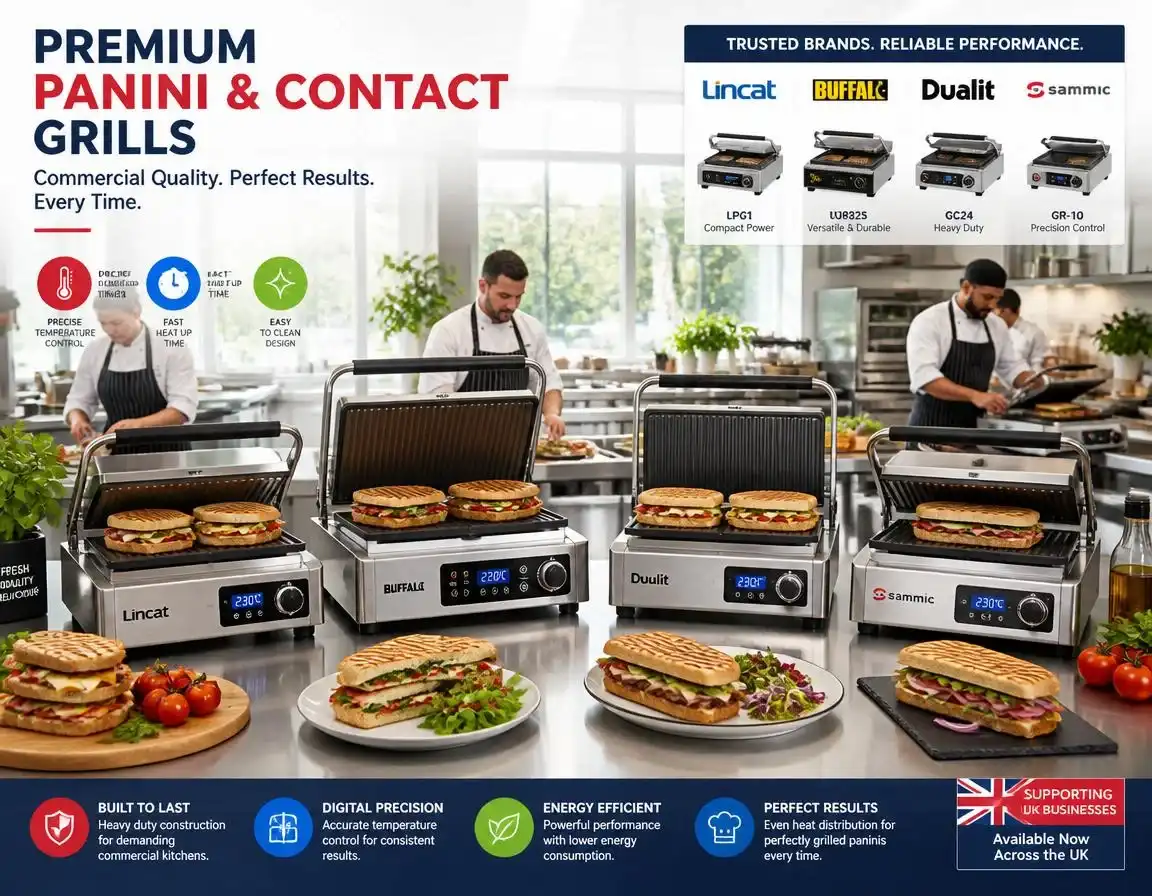
Britain’s leading commercial catering equipment manufacturer, Lincat’s Lynx 400 range of panini grills is a fixture in professional kitchens across the UK. The brand’s reputation for reliability and build quality is hard to beat.
- Popular modelsLynx 400 LCG / LPG / LRG
- Power range2.2 kW – 4.5 kW
- Plate typesSmooth, Ribbed, Combo
- Approx. price (ex. VAT)£385 – £680
- Warranty2 years (parts & labour)
Buffalo’s contact grills are incredibly popular with UK cafés and mobile caterers. They’re built tough from stainless steel and cast iron, with a reputation for great value without sacrificing quality. Two-year warranty as standard.
- Popular modelsL519, GF254, GF255
- Power range2.2 kW – 3.0 kW
- Voltage (UK)220–240 V, single phase
- Approx. price (ex. VAT)£165 – £420
- Warranty2 years
France’s Roller Grill has been producing professional kitchen equipment for over 70 years. Their vitroceramic (VC) range is particularly impressive — reaching 260°C in just 120 seconds, and running at half the energy of conventional cast iron models.
- Popular modelsPANINI R, PANINI L, PANINI DL
- Cooking surface (DL)720 × 240 mm (6 paninis)
- Heat-up time (VC)260°C in 120 seconds
- Approx. price (ex. VAT)£280 – £1,300+
- Standout featureInfrared ceramic system
Sirman’s ELIO and PD range are built for heavy-duty, continuous commercial use. Their ceramic-coated cast iron plates offer exceptional heat retention and are non-porous, making cleaning far easier than bare cast iron. The self-balancing upper plate is a genuine stand-out feature.
- Popular modelsELIO, CORT, PD, PDVC LR T
- Max. temp300°C
- Plate coatingCeramic-coated cast iron
- Approx. price (ex. VAT)£320 – £600
- Standout featureSelf-balancing upper plate
Hallco is a strong choice for budget-conscious buyers who still need dependable commercial-grade performance. Frequently stocked by major UK distributors like 247 Catering Supplies and Eco Catering Equipment, they’re widely available with next-day delivery.
- BuildStainless steel & cast iron
- Price range (ex. VAT)£120 – £280
- Best forStart-ups & smaller venues
- AvailabilityWide UK distribution
Blizzard and Combisteel both offer solid entry-level to mid-range commercial panini grills widely available from UK distributors. A good fit for kiosks, mobile catering, and food trucks where budget matters but reliability can’t be compromised.
- Price range (ex. VAT)£100 – £240
- Best forMobile & kiosk catering
- Key featureCompact footprint
Model-by-Model Comparison Table (2026)
To make your decision a little easier, here’s a side-by-side look at some of the most popular commercial panini grill models available in the UK right now.
| Model | Brand | Power (kW) | Plate Type | Cooking Area (mm) | Voltage (UK) | Approx. Price | Best For |
|---|---|---|---|---|---|---|---|
| Lynx 400 LCG | Lincat | 2.2 kW | Smooth / Smooth | 264 × 250 | 230 V, 1-phase | ~£390 | Cafés, burgers, omelettes |
| Lynx 400 LPG (Heavy Duty) | Lincat | 3.0 kW | Ribbed / Smooth | 330 × 295 | 230 V, 1-phase | ~£465 | Pubs, restaurants, high-volume |
| Lynx 400 Twin | Lincat | 4.5 kW (2×2.25) | Ribbed / Ribbed | 623 mm wide (twin) | 230 V, 1-phase | ~£660 | High-volume sandwich bars |
| L519 Large | Buffalo | 2.2 kW | Ribbed/Flat or Ribbed/Ribbed | 290 × 295 (approx.) | 220–240 V, 1-phase | ~£190 | Cafés, mobile catering |
| PANINI R (Ribbed) | Roller Grill | 2.1 kW | Ribbed / Ribbed | 320 × 230 | 230 V, 1-phase | ~£320 | Medium-volume, paninis |
| PANINI DL (Double) | Roller Grill | 4.2 kW | Flat Base / Ribbed Top | 720 × 240 (twin) | 230 V, 1-phase | ~£1,303 | Very high-volume kitchens |
| ELIO Series | Sirman | 2.0–3.5 kW | Cast iron, ceramic-coated | Various | 230 V, 1-phase | £350–£500 | Delis, food trucks, cafés |
| PDVC LR T | Sirman | 2.3 kW | Vitroceramic, Flat/Ribbed | 310 × 230 | 230 V, 1-phase | ~£400 | Front-of-house, kiosks |
Your Commercial Panini Grill Buying Checklist
Before you click “Add to basket”, run through these key considerations. I’ve seen too many kitchens buy the wrong grill and regret it within six months. Let’s make sure that doesn’t happen to you.
If you’re kitting out a wider kitchen rather than just adding one appliance, it’s worth planning the whole line-up at once — grill, fryer, fridge, oven — since power circuits and counter space get tight fast. Our kitchen equipment questionnaire and equipment budget planner are built for exactly that stage — working out what you actually need and roughly what it’ll cost before you start requesting quotes.
Power Requirements
Most UK commercial panini grills run on 230 V single-phase. Double grills at 4.5 kW+ may need a dedicated circuit. Always check with your electrician before ordering.
Cooking Surface Size
Think about your peak service. How many paninis do you need to produce simultaneously? A 300 × 250 mm plate fits roughly 2–3 standard paninis. A twin model can handle 5–6.
Heat Recovery Time
Critical for busy periods. Quality cast iron models on premium brands recover in seconds. Cheaper aluminium units may take 2–3 minutes between batches.
Ease of Cleaning
Consider your kitchen’s cleaning routine. Cast iron needs regular seasoning; ceramic wipes clean easily. Look for removable grease trays — they save a lot of hassle.
Plate Configuration
Do you need grill marks (ribbed plates) or full surface contact (flat plates)? A combination top/bottom gives you the most flexibility for varied menus.
Temperature Control
A good thermostat range (50°C–300°C) gives you flexibility. Some premium models offer digital controls and programmable timers — great for training consistency.
Build Quality & Materials
Stainless steel body and cast iron plates are the benchmark for commercial durability. Check the hinge mechanism — a floating, counterbalanced lid is far superior to a fixed one.
Warranty & After-Sales Support
Look for a minimum 2-year warranty. UK-based brands like Lincat and Buffalo have strong local service networks — invaluable when something goes wrong mid-service.
Total Cost of Ownership
A £700 Lincat lasting 10 years works out cheaper than a £150 budget grill replaced every 2 years. Factor in energy costs, maintenance, and downtime when comparing prices.
Energy Efficiency: What’s the Real Running Cost?
With UK energy prices still significantly higher than pre-2021 levels, running costs matter more than ever. The good news? A commercial panini grill is actually one of the more energy-efficient cooking appliances you can buy. Because it cooks from both sides simultaneously, you can achieve the same result in roughly half the time compared to a conventional grill — and that translates directly into energy savings.
Roller Grill’s vitroceramic (VC) range claims to halve energy consumption compared to traditional cast iron models, reaching 260°C in just two minutes. Even standard cast iron models from Lincat and Buffalo use significantly less energy than the equivalent oven setup.
⚡ Estimated Daily Energy Use (8-hour service, pence per kWh at 24p — UK average 2026)
If you’re running a double grill but it’s quiet in the morning, use just one side and keep the other switched off. Most double-contact grills allow independent temperature control of each zone — a simple trick that can save you meaningful money across a full week’s trading.
Also, don’t forget that high-spec models save roughly 22% on energy costs compared to budget alternatives over a 12-month period, according to 2025 industry surveys. That’s money that goes straight back into your margins.
UK Price Guide 2026: What Should You Expect to Pay?
Prices have remained broadly stable in 2026 compared to 2025, though energy costs continue to influence premium model pricing. Here’s what you’re looking at across the market:
💷 UK Commercial Panini Grill Price Tiers (ex. VAT, 2026)
| Tier | Price Range (ex. VAT) | Typical Brands | Who It’s For | Key Features |
|---|---|---|---|---|
| Entry Level | £100 – £199 | Blizzard, Hallco, Combisteel | Start-ups, kiosks, mobile caterers, light-use kitchens | Single plate, basic thermostat, aluminium or light cast iron |
| Mid-Range | £200 – £399 | Buffalo, Roller Grill, Sirman CORT | Growing cafés, sandwich bars, medium-volume operations | Heavy-duty cast iron, removable grease tray, 2-year warranty |
| Professional | £400 – £699 | Lincat Lynx 400, Sirman ELIO | Restaurants, hotel kitchens, pub chains, busy food service | 3 kW+, floating hinge, fast heat recovery, UK-made components |
| Premium / Twin | £700 – £1,500+ | Roller Grill PANINI DL, Lincat Twin | High-volume catering, stadium concessions, large canteens | Twin independent zones, 4–4.5 kW, 6+ paninis simultaneously |
Cleaning, Seasoning & Maintenance
Here’s a truth that many equipment buyers overlook: how you maintain your panini grill determines how long it lasts. I’ve seen beautifully engineered Lincat grills reduced to a gummed-up mess within a year because nobody bothered to season them properly. And I’ve seen budget Buffalo grills running perfectly after five years because the team looked after them. It really is that simple.
Top Tip: Use commercial panini paper (greaseproof paper) between the food and the plates. It dramatically reduces cleaning frequency and protects your plates from carbon build-up — especially useful during a busy service.
— Industry Best Practice, UK Catering SuppliersDaily Cleaning Routine
Whilst still warm (but switched off), scrape loose debris from plates using a brass-bristle brush or dedicated grill scraper. Wipe down with a damp cloth. Empty and wash the grease tray. Never use water on a blazing hot plate — thermal shock can crack cast iron. Wipe the stainless steel exterior with a food-safe sanitiser.
Weekly Deep Clean & Re-season
For cast iron plates: after cleaning, apply a thin layer of high-smoke-point oil (sunflower or grapeseed oil). Heat the grill to its maximum setting for 10–15 minutes until the oil bakes on and stops smoking. Allow to cool. This maintains the non-stick layer and protects the iron from rust. Ceramic/vitroceramic models simply need a thorough wipe with a damp cloth and appropriate cleaner.
Monthly Inspection
Check the hinge mechanism and spring tension. Ensure the floating lid drops evenly without wobbling. Inspect the power lead and plug for any signs of damage. Check the thermostat accuracy using a probe thermometer. Log all findings in your HACCP maintenance diary.
Annual Service
Arrange a professional service by a qualified catering engineer. They’ll test heating elements, thermostats, and electrical safety. Keep the service record — it’s often required by insurers and may be requested by Environmental Health Officers (EHOs) during a food safety inspection.
HACCP & UK Food Safety Compliance in 2026
If you’re running a UK food business, HACCP compliance isn’t optional — it’s a legal requirement. And your panini grill is almost certainly a critical control point in your HACCP plan. Here’s what you need to know.
Every food business in the UK must operate a HACCP-based food safety management system. Most smaller operators use the Food Standards Agency’s Safer Food, Better Business pack as their starting framework — it’s free, practical, and widely accepted by Environmental Health Officers (EHOs). Larger businesses should operate a fuller HACCP framework.
Temperature Logging
Record grill plate temperatures at least twice daily. Use a calibrated probe thermometer. The FSA now accepts digital records, provided they’re complete and tamper-evident.
Cleaning Diary
Maintain a written or digital cleaning schedule for your grill. When an EHO visits, they’ll want to see it immediately. Keep records for a minimum of 3 years.
Equipment Maintenance Records
Keep annual service records. Document any faults, repairs, or replacements. Equipment condition is assessed as part of every food hygiene inspection.
Staff Training
All staff using the grill should understand safe operating temperatures, cleaning procedures, and what to do if the grill malfunctions during service.
CE / UKCA Marking
Commercial catering equipment sold in Great Britain must meet UK product safety rules — see gov.uk’s current guidance on UKCA and CE marking, as the rules on which mark is accepted have changed more than once since 2021. Always buy from reputable UK distributors to ensure compliance.
Ventilation (TR19 Grease)
Ensure your kitchen extract ventilation meets the BESA TR19® Grease standard. This isn’t law but is referenced in commercial leases and insurance policies — treat it as mandatory.
Worth bookmarking alongside your HACCP pack: the Food Hygiene Rating Scheme guidance explains how inspections work and how equipment condition feeds into your score, and the Health and Safety at Work etc. Act 1974 on the HSE site sets out the broader duty of care that covers safe use of hot equipment like grills, not just food hygiene.
Pros & Cons of Commercial Contact Grills
- Cooks from both sides simultaneously — up to 3× faster than conventional grills
- Locks in juices and flavour — especially impressive with chicken and steak
- Incredibly versatile — paninis, burgers, bacon, eggs, fish, quesadillas, veg
- Uses up to 40% less energy than separate top/bottom heating methods
- No specialist training needed — close the lid, set the timer, done
- Compact countertop footprint — ideal for small or busy kitchens
- Commercial-grade models typically last 7–10 years
- Front-of-house ceramic models add theatre without smoke or odour
- Removable grease trays and floating lids make maintenance manageable
- Quality commercial units require a meaningful upfront investment
- Cast iron plates require regular seasoning — labour overhead
- Large/twin models demand significant counter space
- Budget models have poor heat recovery time during busy periods
- Not suitable for very large items (a full rack of ribs won’t fit)
- Heating elements can fail with improper cleaning (water damage)
- Vitroceramic plates, whilst easy to clean, can scratch if mishandled
Frequently Asked Questions
Ready to Choose Your Commercial Panini Grill?
Use this guide to shortlist 2–3 models that suit your kitchen’s volume, budget, and layout — then get quotes from at least two reputable UK distributors before committing.
View Model Comparison Table ↑