Why Is Greggs More Expensive at Airports? The Real Reasons (2026)

Why Is Greggs More Expensive at Airports?
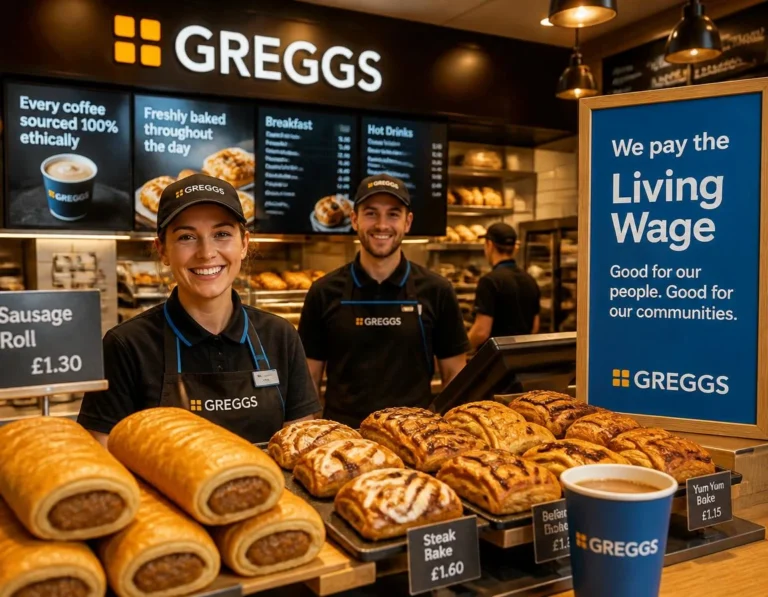
You’re in departures, absolutely famished, and that sausage roll is £1.85. Same pastry, same filling — but noticeably pricier than the one near yours at home. You’re not imagining it.
Anyone who’s been through a UK airport recently knows the feeling. You spot the Greggs logo and feel a surge of relief — then clock the price board and do a double-take. You’re not imagining it, and it’s not greedy profiteering either. There are real, specific reasons why Greggs costs more at airports. Once you understand them, it makes complete sense.
Airport Greggs Isn’t Quite the Same Greggs
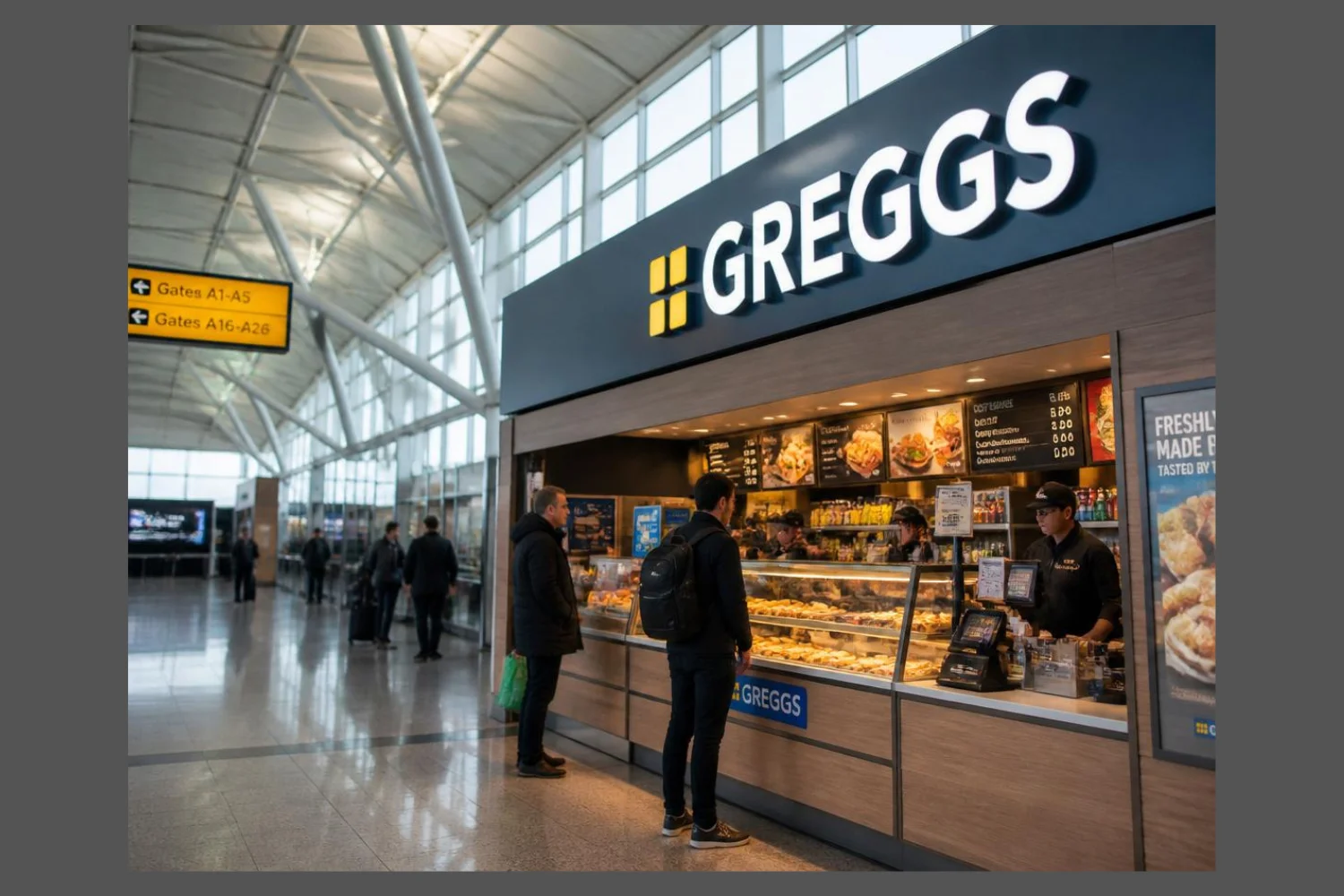
Just think upon this, the Greggs at your local high street and the one inside departures are operated completely differently. High-street branches are directly owned and managed by Greggs plc — central supply chain, central pricing, full control. But airport (and many train station) branches are run under a franchise agreement with SSP Group, one of the world’s biggest travel food-and-beverage operators.
SSP operates Greggs concessions at airports including Newcastle, Manchester, Cardiff, Birmingham, Gatwick, and London Heathrow. That franchise arrangement is the single biggest driver of higher prices. SSP pays Greggs a royalty of around 6% of gross sales plus a 2% marketing contribution on top of its own eye-watering operating costs.
Who is SSP Group? SSP is a global travel hospitality company running food and drink concessions at airports and train stations in over 35 countries. They converted existing SSP units into Greggs shops after securing the franchise deal. Greggs confirmed opening a new Manchester Airport branch in early 2026 as part of its push into high-footfall travel locations.
Check out why is Greggs so cheap compared to other
Greggs Uses a Three-Tier Pricing Structure
Greggs quietly operates three separate pricing tiers across the UK — most customers have no idea this system exists.
Standard — High Street & Retail Parks
Company-managed stores with baseline prices. Think town centres, retail parks, and shopping centres outside London.
City / London — Central Urban Branches
Central London and major city-centre branches charge 11–19% more to cover higher rents and business rates.
Franchise / Airports — Travel Hubs
Airports, motorway services, many train stations. Operated by SSP and Moto. Prices can be up to 35% higher than standard stores.
2026 Price Comparison: Airport vs High Street
| Item | Standard | City/London | Airport/Franchise | Premium |
|---|---|---|---|---|
| Sausage Roll | £1.35 | ~£1.45 | £1.85+ | +37% |
| Bacon Breakfast Roll | £2.20 | £2.45 | £2.95 | +34% |
| Steak Bake | £1.55 | £1.75 | £2.10+ | +35% |
| Breakfast Deal | £3.25 | £4.50 | £4.95 | +52% |
| Latte (Regular) | £1.95 | £2.30 | £2.60+ | +33% |
| Vegan Sausage Roll | £1.25 | ~£1.40 | £1.70+ | +36% |
Sources: greggsmenusprices.co.uk, June 2026. Prices vary by specific airport and terminal operator.
The Real Reasons Airport Greggs Costs More
It’s never just one thing. Every layer of airport-specific cost stacks on top of the others.
Astronomical Rent
Airport Greggs pays 3–4× the rent of a suburban shop. Terminals charge among the highest commercial rates per square foot in the UK.
Franchise Fees
SSP pays Greggs ~6% of gross sales as a royalty plus 2% marketing. A travel-hub franchise costs £260,000–£395,000+ to set up — all needing to be recovered.
Captive Audience
Past security, you can’t leave for cheaper food. This captive audience dynamic allows vendors to charge more — passengers have few alternatives and limited time.
Logistics & Security
Every delivery requires security clearance, staff vetting, and strict time windows — adding cost before a single item reaches the counter.
Higher Staffing Costs
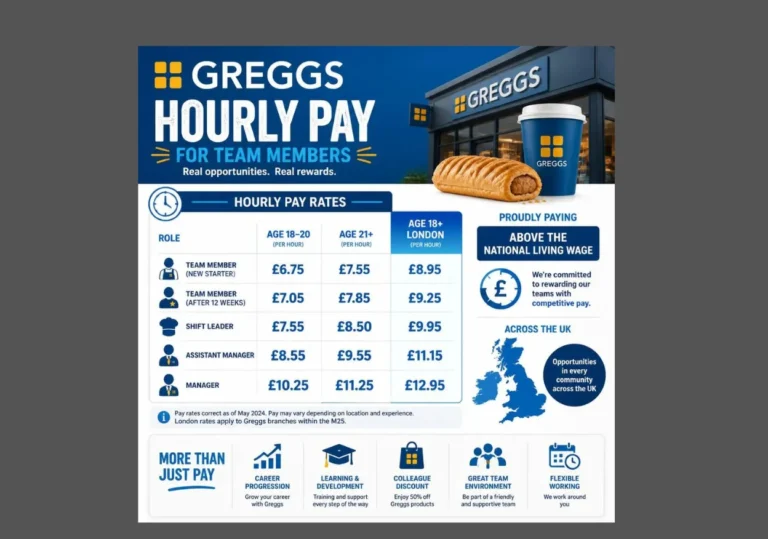
Airport roles command higher wages for anti-social hours and airside clearance. National Living Wage rises in 2025–26 compound this at travel hubs.
Airport Revenue Share
Concessionaires pay a percentage of revenue to the airport authority on top of base rent — covering infrastructure costs, passed on to customers.
Check out Greggs London vs rest of U.K.
Does VAT Make It Worse?
VAT rules are identical across all UK Greggs branches — there’s no special airport rate. Cold food taken away is zero-rated. Hot food is charged at 20% VAT. But if you choose to eat in (at any Greggs with seating, which airport branches often have more of), HMRC classifies it as a restaurant service and adds 20% on top. That’s a double hit — the franchise premium, plus the eat-in VAT surcharge.
No meal deals either? Some airport Greggs — including Newcastle Airport’s branch — reportedly don’t offer meal deals at all. That decision is left to the franchise operator (SSP) rather than Greggs centrally. Without a deal, ordering items separately can significantly inflate the bill, especially for families.
Check out Greggs Coffee Menu Prices
How to Spend Less at Airport Greggs
- Eat before you go through security. Several airports have a Greggs or alternative food options before the security checkpoint — Cardiff Airport’s branch, for example, sits pre-security on the first floor.
- Take away, don’t eat in. Grabbing your food to go avoids the eat-in 20% VAT charge on applicable items. Step away from seating areas and you’re in the clear.
- Use the Greggs App. Ask staff whether your rewards points apply at the franchise branch before ordering — it’s worth a quick check, especially on more expensive items.
- Pack snacks from home. You’re allowed to bring your own food through UK airport security. A packed lunch sidesteps airport pricing entirely — the simplest solution going.
Check out Greggs Gluten free menu prices
The Bottom Line
The airport Greggs price premium — up to 35% above a standard high-street store — comes down to a franchise structure run by SSP Group, commercial rents that are 3–4 times higher than a suburban shop, staffing and logistics costs, and the economic reality of a captive audience. You’re paying for the brand, the convenience, and the location — not a different sausage roll.
Compared to almost everything else in a UK departure lounge, Greggs remains one of the more reasonable options. Airport food typically costs 15–25% more than the high-street equivalent — Greggs’ premium is in line with the wider industry, even if the contrast feels sharper because we all know the high-street price.